

Following the October 25 vote that upended Serbia’s political landscape, the new parliament is meeting for the first time in Belgrade.
The vote redrew Serbia’s parliamentary map as a grassroots, student-led movement won the largest single share, removing President Aleksandar Vucic and his Serbian Progressive Party (SNS).
The Student List group was backed by 2.3 million citizens, altering the previous parliamentary arithmetic and balance of power. It holds a majority with 140 parliamentary seats in the 250-member parliament, compared with the Serbian Progressive Party’s 104.
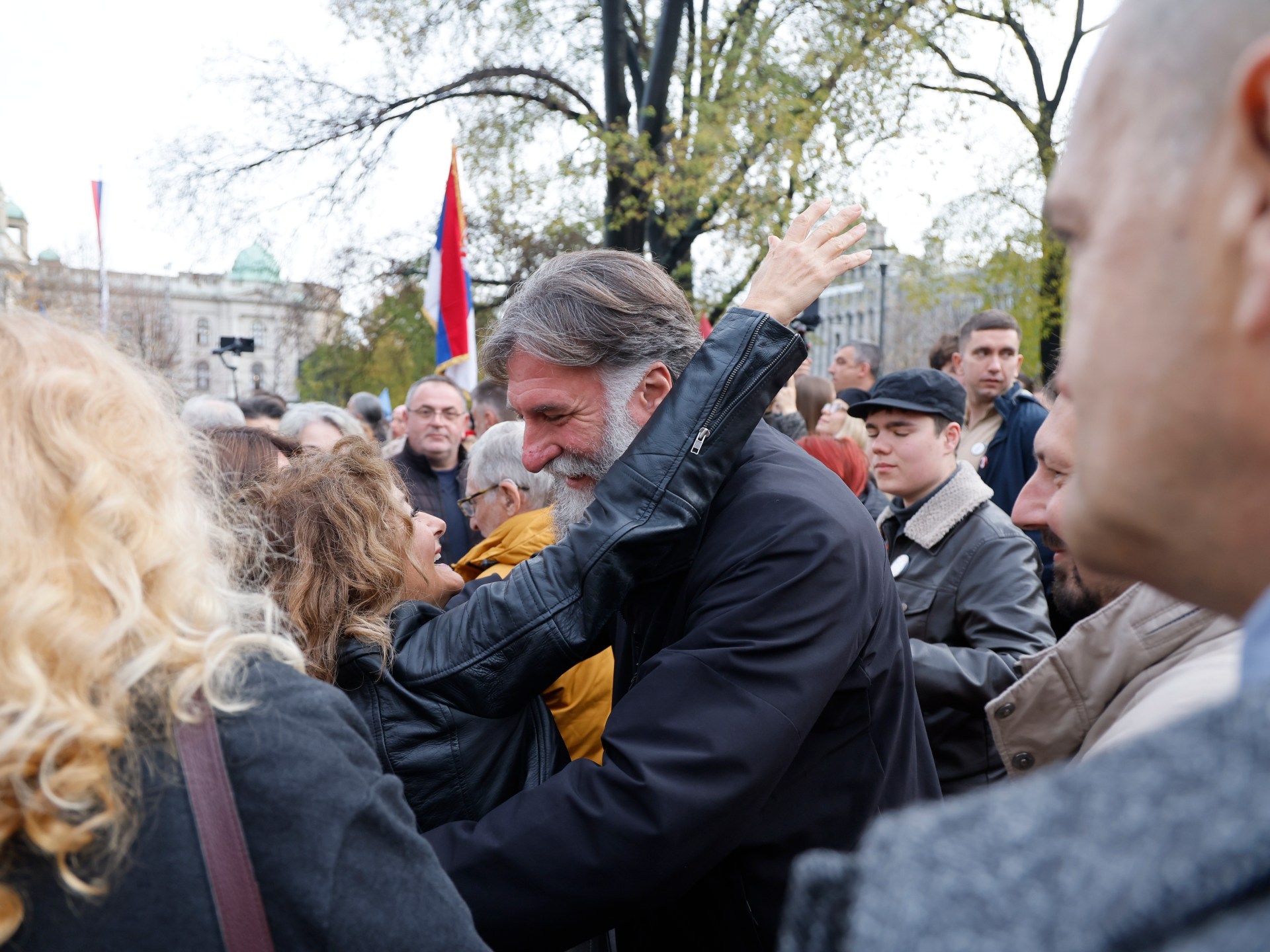
Tuesday’s session is chaired by the oldest member of parliament until a new speaker is elected, assisted by the four youngest MPs from the largest electoral lists. Hundreds of supporters cheered the new lawmakers as they entered the National Assembly. The new speaker could be announced later on Tuesday.
The formal agenda follows a clear legal framework: verifying parliamentary mandates based on a report by the Republic Electoral Commission (RIK), taking the solemn oath of office, electing the speaker and deputy speakers, appointing the secretary-general, and forming parliamentary committees and permanent delegations to international bodies.
But beyond legal formalities, the political atmosphere is complex and large sections of the public have high expectations.

Political analyst Djordje Vukadinovic told Al Jazeera, “Everyone is eagerly awaiting it. I would avoid making any predictions, because with the current opposition structure, you never know what might happen or what stance they will take.”
Advertisement
He added, “What I do know is that this is only the beginning of establishing a new government, and I believe not everything will be wrapped up today.”
Ahead of the session, a group of students wrote to the new lawmakers, reminding them of their “serious” responsibilities.
“All of you are becoming members of parliament in the highest legislative body of the Republic of Serbia for the first time. And only that. Nothing more. The fact that the highest state offices have for decades been presented as ‘comfortable armchairs’ is a systemic flaw. The people elected you. We are the people. You are the people. Act accordingly,” warned the Student Plenum of the Higher School of Civil Engineering and Geodesy in Belgrade in an open letter.

Aleksandar Cupic, an incoming Student List MP and an assistant professor in engineering, said new lawmakers must demonstrate institutional maturity.
“We do not plan to speak about our candidate for five or 10 hours, because that is neither in the spirit of the values we will represent nor is it rational. We owe it to the citizens to proceed with electing the speaker of parliament,” Cupic told reporters ahead of the session.
He said political groups had been consulting one another in a more moderate atmosphere than reports have suggested.
The swearing-in session also marks the start of a critical political countdown – a 90-day constitutional deadline to elect a new government.
Should that expire without parliament voting in a new cabinet, Serbia’s constitution mandates the dissolution of the National Assembly and the calling of snap parliamentary elections.

The developments are being watched across the region, as well as in European and global political circles.
Observers say the new political leaders will have to govern the state and rebuild sustainable cooperation with neighbouring countries and the European Union – ties that have been strained in recent years.
Echoing that point, Student List representative Aleksandar Baucal told the international EU Enlargement Forum in Brussels that a peaceful transfer of power is only the start of a complex array of work.
Advertisement
“Changing power through non-violent and democratic means is only the first step,” Baucal said in Brussels. “Serbia now faces the task of rebuilding institutions that will prevent the personalisation of power and serve all citizens, regardless of who they voted for. I am convinced that from now on, the news coming out of Serbia will be largely positive.”
In a similar vein, the European Democratic Party (EDP) weighed in on the eve of the parliamentary session.
“Serbia must now heal the wounds of recent years through truth, justice and accountability … we sincerely hope a new chapter of freedom, democracy and reconciliation will begin,” the EDP said, adding that the session will test whether Serbia is ready for institutional reform.

Related News
Police storm Portugal housing protest camps
German unions launch wave of strikes over cost-of-living pressures
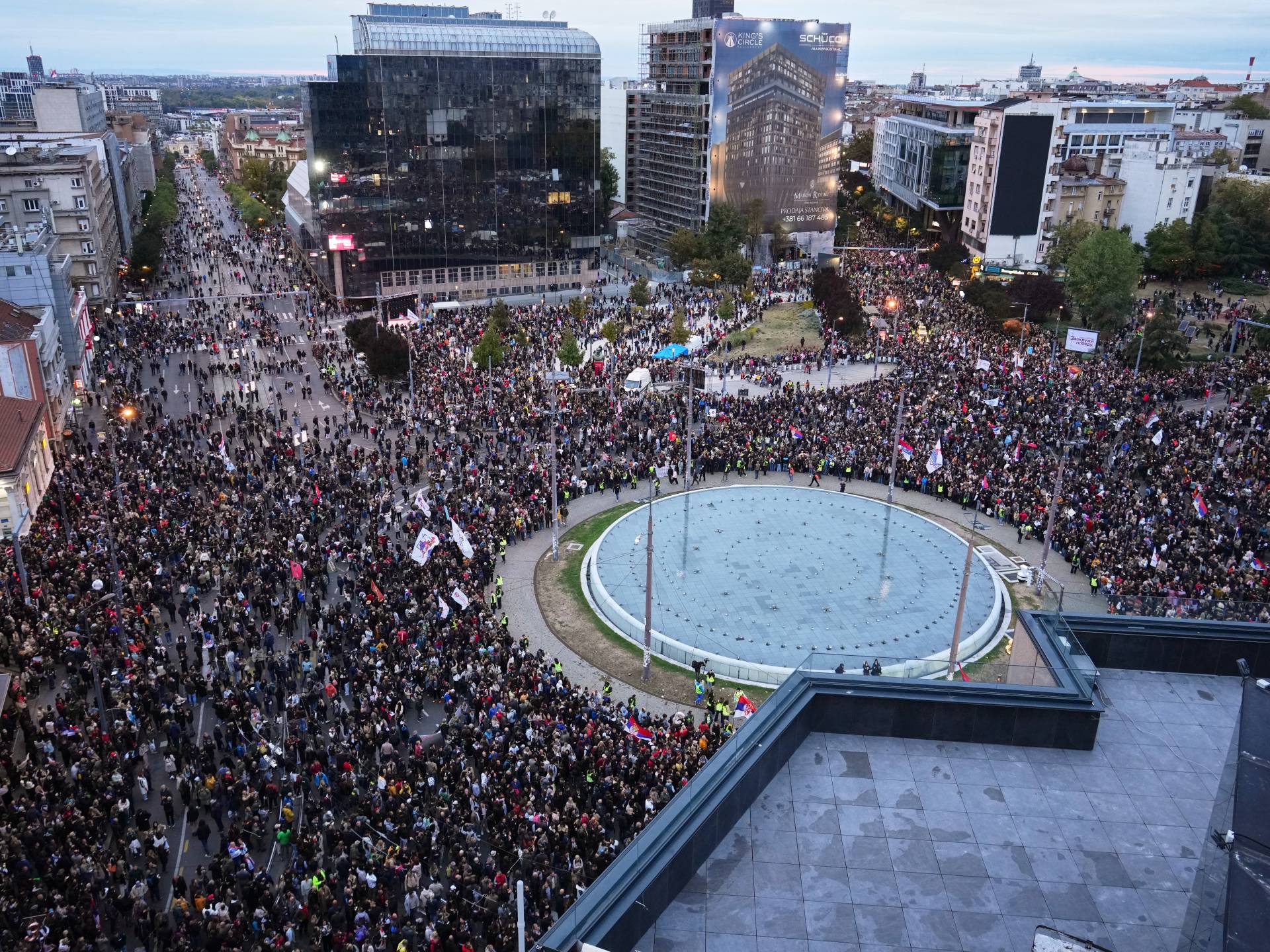
Thousands gather at final student-led rally ahead of Serbia election