


Iran has moved a step further in its attempts to formalise its effective control over the Strait of Hormuz after the country’s top security organ announced the formation of a new body to manage the key passage.
The country’s Supreme National Security Council on Monday said the new authority, called the Persian Gulf Strait Authority (PGSA), would provide “real-time updates” on operations and the latest developments in the strait, a critical chokepoint through which 20 percent of the world’s oil and gas pass in peacetime.
- list 1 of 3Why the Iran conflict is becoming a problem for BRICS
- list 2 of 3India and UAE sign defence pacts, as Iran war tensions simmer
- list 3 of 3UAE to accelerate oil pipeline project to bypass Strait of Hormuz
end of list
The announcement comes two days after reports surfaced that Iran was planning to provide insurance to ships crossing the Strait of Hormuz. According to a report by Iran’s semi-official Fars news agency published on Saturday, Tehran will offer insurance for vessels transiting the strait and surrounding Gulf waters, with payments settled in cryptocurrency.
Since the US-Israel war on Iran began on February 28, Iranian officials and lawmakers have repeatedly floated the idea of imposing transit charges or security fees on ships using the Strait of Hormuz. Tehran has already admitted receiving tolls from ships attempting to make their way through the key waterway.
Iran has effectively closed the strait in retaliation for US-Israeli attacks, causing disruptions to global energy markets and fuel prices to soar, as oil tankers are largely unable to pass through.
Globally, the idea of ships having to pay any fee to pass through the strait has been universally rejected.
The US Department of State said this month that international waterways must remain open to global shipping and that no country should impose unilateral tolls on transit passage. China has seemingly also voiced opposition to any move restricting free navigation through the waterway.
Advertisement
So, what is this new insurance scheme, and what would the implications be for international trade if it came into effect?
What is the proposed insurance scheme?
According to the Fars report, “the Hormuz Safe website has begun offering insurance for maritime cargoes” passing through the strait.
The proposal would reportedly offer a range of maritime insurance products and “encrypted verification capability” for vessels operating in the strait. The transactions are expected to be conducted using cryptocurrencies, such as Bitcoin.
The outlet added that the programme could bring in more than $10bn in revenue for Iran annually. “Cargo is covered from the moment of confirmation, with a signed receipt provided to the owner,” it added.
Iran has said charging a toll or transit fee is its way to help pay for repairs needed following nearly six weeks of US-Israeli bombing of the country, prior to which the strait was open and free for all vessels to pass.

Is this effectively a new toll?
Many shipping companies are likely to view the insurance offer as another form of transit charge.
According to a Bloomberg report in March, Iran had begun collecting ad hoc transit fees from some commercial vessels within the first few weeks of the war, with payments reportedly reaching as much as $2m per voyage.
The proposed insurance system appears to reshape that idea by tying safe passage and financial protection together.
Instead of openly calling it a toll, Tehran is seemingly presenting it as a commercial insurance risk-management service.
Moreover, according to international law, levies cannot be charged on ships sailing through international straits or territorial seas, the United Nations Convention on the Law of the Sea (UNCLOS) says.
Does Iran have the ability to guarantee insurance for ships?
According to academic Abdul Khalique, Iran would “face serious financial, legal, and operational obstacles” if it were to implement such a scheme.
“Marine insurance requires large reserves and international reinsurance support to cover catastrophic losses, yet sanctions severely restrict Iran’s access to global financial and insurance markets,” Khalique, head of the Liverpool John Moores University Maritime Centre, told Al Jazeera.
“Without credible reinsurance, shipowners may doubt whether claims would actually be paid after accidents, spills, or seizures. International maritime regulators and ports may also reject Iranian-issued certificates, preventing insured ships from docking or obtaining financing.”
Advertisement
He said that payment via Bitcoin would provide another challenge for Tehran.
“Many governments associate cryptocurrency transactions with sanctions circumvention and money laundering risks. Cybersecurity threats, limited global recognition, and geopolitical tensions in the Gulf would further undermine confidence in the programme.”
Iran’s effort could also come up against geography. Since April 13, the US has implemented a naval blockade of all ships coming from or going to Iranian ports. It is unclear whether the US would allow vessels that have paid Iran for insurance to transit — even if Tehran allows them.
Since the war began more than two and a half months ago, global maritime insurers have sharply increased war-risk premiums for ships entering the Gulf.
In March, insurance costs for vessels transiting the Strait of Hormuz had risen as much as fivefold within days of the first US-Israeli strikes on Iran.
Several leading insurers, including Gard, Skuld, NorthStandard, and the American Club, announced within days of the war starting that they were cancelling war-risk coverage for vessels operating in the Gulf region.
Some insurers later re-entered the market with government-backed support. Insurer Chubb joined a $20bn US-supported maritime reinsurance programme aimed at restoring commercial shipping through the Strait of Hormuz, offering war-risk cover for hulls, cargo and liability.
Shipping companies, however, have remained cautious. Several operators continue avoiding Gulf routes, citing crew safety risks and fears of attacks on vessels and seizures.
Further complicating matters, the United States has warned companies that payments to Iran for safe passage through Hormuz could expose them to sanctions.
How are countries likely to respond to this?
So far, no country or shipping firm has announced whether they would take up Iran’s offer if it were to start providing insurance to cross the strategic strait.
The US and China said this month that no country should be allowed to impose tolls for transit through the strait.
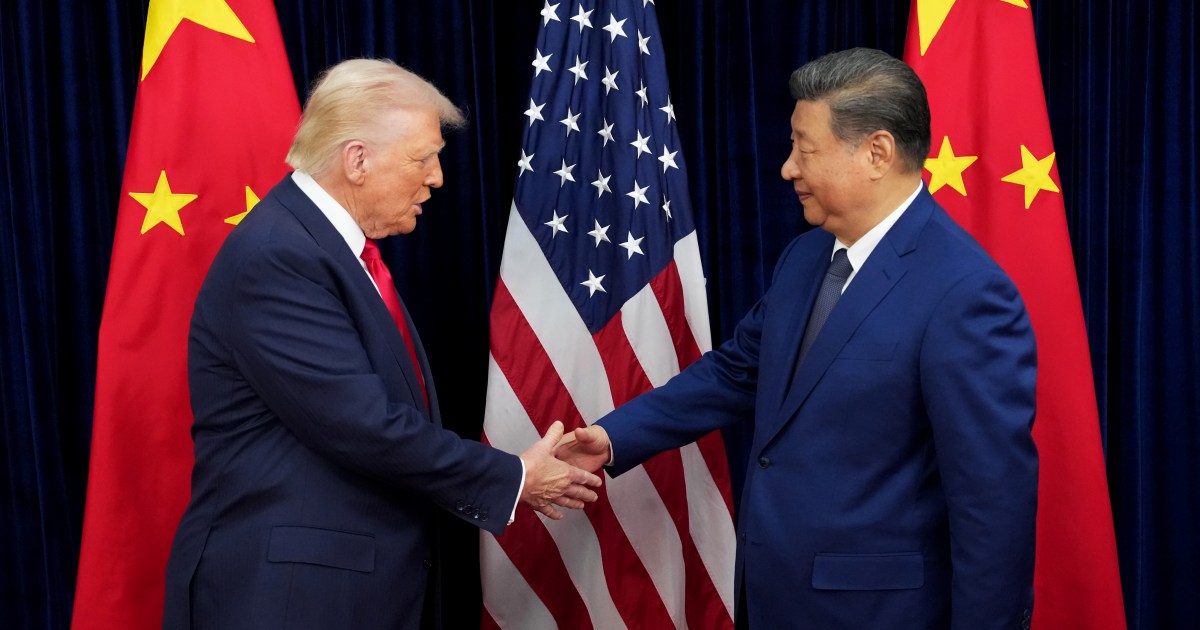
Following US President Donald Trump’s meeting with his Chinese counterpart, Xi Jinping, the White House said the latter had “made clear China’s opposition to the militarisation of the strait and any effort to charge a toll for its use”, a statement Beijing has yet to dispute.
UN Secretary-General Antonio Guterres has called for an immediate opening of the passage, calling for no tolls and “no discrimination”.
According to academic Khalique, acceptance of the Iranian insurance plan for the Strait of Hormuz, if any, is likely to be “limited and highly selective”.
“Countries already wary of Western sanctions, such as China or some smaller trading states, may consider Iranian insurance if it lowers costs or guarantees passage through the Strait of Hormuz,” he opined.
However, most maritime powers and shipping firms are unlikely to go along with it, Khalique said. “Insurance depends on trust, enforceability, and internationally recognised legal standards,” he added.
Advertisement
“Most ports, banks, and shipowners rely on established insurers connected to London, Europe, or Asia. Consequently, the scheme would probably attract only niche or politically aligned participants.”
Related News

Niger suspends nine French media bodies: Watchdog slams ‘abusive’ decision
Trump and Xi: The history of encounters between superpower leaders

Armed fighters kill at least 30 people in attacks in central Mali