



The United Arab Emirates is fast-tracking the construction of a new pipeline which will double the export capacity through Fujairah, a port city in the country’s east, as Gulf nations seek to bypass the Strait of Hormuz.
Crown Prince Sheikh Khaled bin Mohamed bin Zayed announced the acceleration of the West-East Pipeline project to “meet global demands”, at an executive meeting held by the Abu Dhabi National Oil Company (ADNOC) on Friday.
- list 1 of 4UAE quits OPEC: What that means for the Gulf, energy markets and beyond
- list 2 of 4Gulf nations are resuming strategic projects to mitigate regional dangers
- list 3 of 4How Iran raised Hormuz stakes by capturing ships
- list 4 of 4Saudi, UAE, Iraq: Can three pipelines help oil escape Strait of Hormuz?
end of list
The pipeline should be operational by 2027, the government’s Abu Dhabi Media Office said.
Sheikh Zayed said ADNOC is “well positioned as a responsible and reliable global energy producer, with the operational flexibility to responsibly increase production to meet market needs when export constraints allow”.
The United States and Israel’s war on Iran shook global energy supply chains across the world.
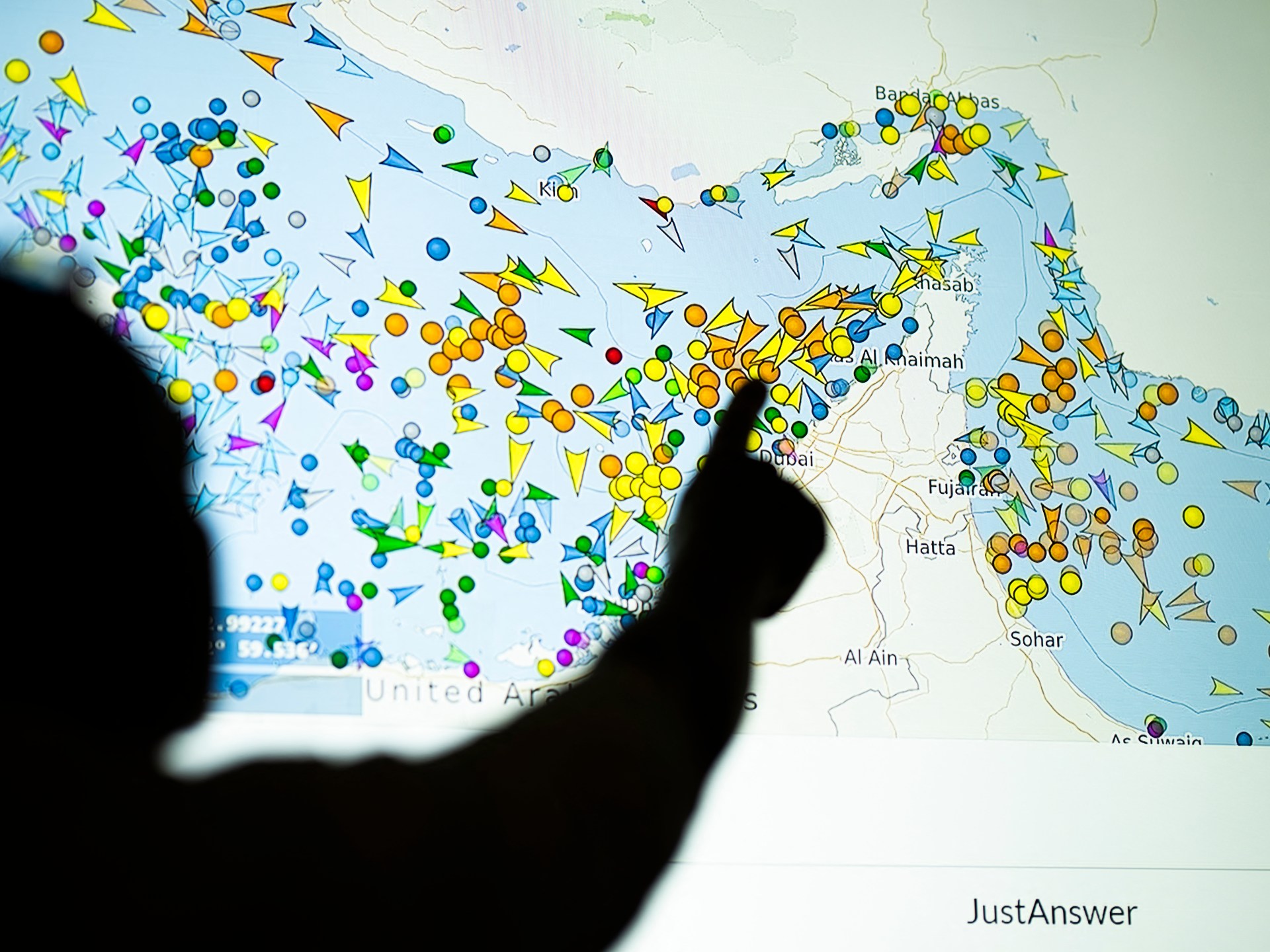
With the blockade on the Strait of Hormuz – where previously around a fifth of the world’s oil passed through – and Iran’s new maritime protocol in the waterway, as well as attacks on energy infrastructure, Gulf nations have been forced to find alternative trade routes to maintain oil and gas exports.
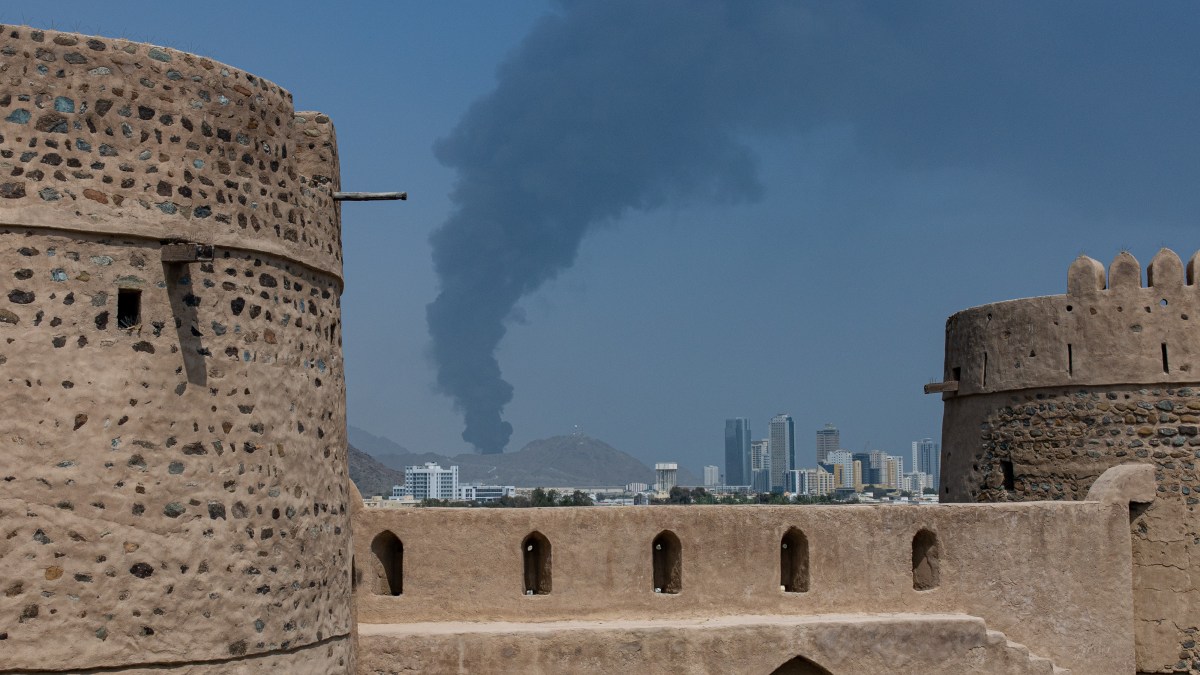
Currently, the UAE has the Abu Dhabi Crude Oil Pipeline (ADCOP), a 380km (235-mile) pipeline which runs from Habshan, an oil and gas field in the south-western area of Abu Dhabi, to the port of Fujairah – which has come under attack recently.
The pipeline, which started working in 2012, has the capacity of about 1.5 million barrels of oil per day (bpd). It is one of the key energy routes in the Middle East.
Advertisement
Saudi Arabia also has the East-West pipeline, designed to export the kingdom’s oil, concentrated in the country’s east, via the west coast, which has been less affected by the Iran war.
Saudi’s pipeline is 1,200km (745 miles) long, running from the Abqaia oil processing centre to the Yanbu port on the Red Sea. State oil giant Aramco’s Chief Executive Amin Nasser has called it a “critical lifeline” for the kingdom.
Oman borders the Gulf of Oman with an extensive coastline outside the Strait of Hormuz, while Kuwait, Iraq, Qatar, and Bahrain depend almost entirely on the waterway for their trade shipments.
Last month, the UAE announced its departure from the Organization of the Petroleum Exporting Countries (OPEC) in order to focus on “national interests”. The UAE said this move was part of its “long-term strategic and economic vision and evolving energy profile”.
Related News

Four killed in post-election violence in India’s West Bengal
US Army says ‘Project Freedom’ in blockaded Hormuz has ‘just begun’
What’s the significance of UAE’s Fujairah, hit on Monday?