

The United Arab Emirates has come under attack from Iranian missiles and drones for the second day in a row, according to its Defence Ministry.
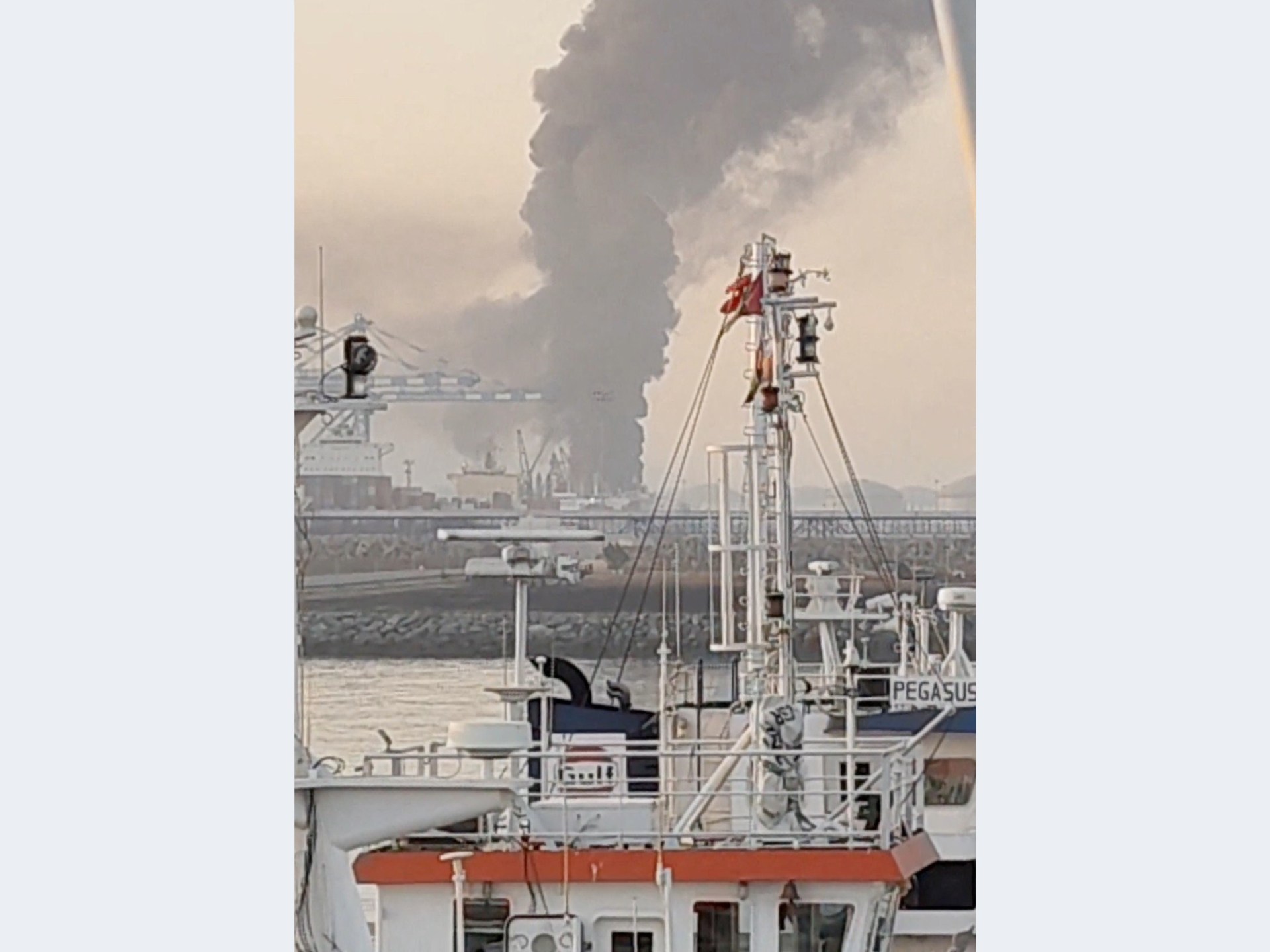
Tuesday’s attack came a day after at least three people were injured in strikes the day before, and a drone sparked a fire at a key oil facility in the eastern emirate of Fujairah.
- list 1 of 3Hormuz tensions push ceasefire to the brink as Trump threatens Iran
- list 2 of 3‘Dangerous escalation’: World condemns Iran after attacks on UAE
- list 3 of 3Iran says US military killed five civilians in attacks on passenger boats
end of list
The results of the latest attack were not immediately clear.
The escalation comes amid fears of a return to war between Iran and the US, after Washington launched a new initiative, dubbed “Project Freedom”, to guide vessels through the Strait of Hormuz starting on Monday. About a fifth of global energy exports pass through the narrow waterway.
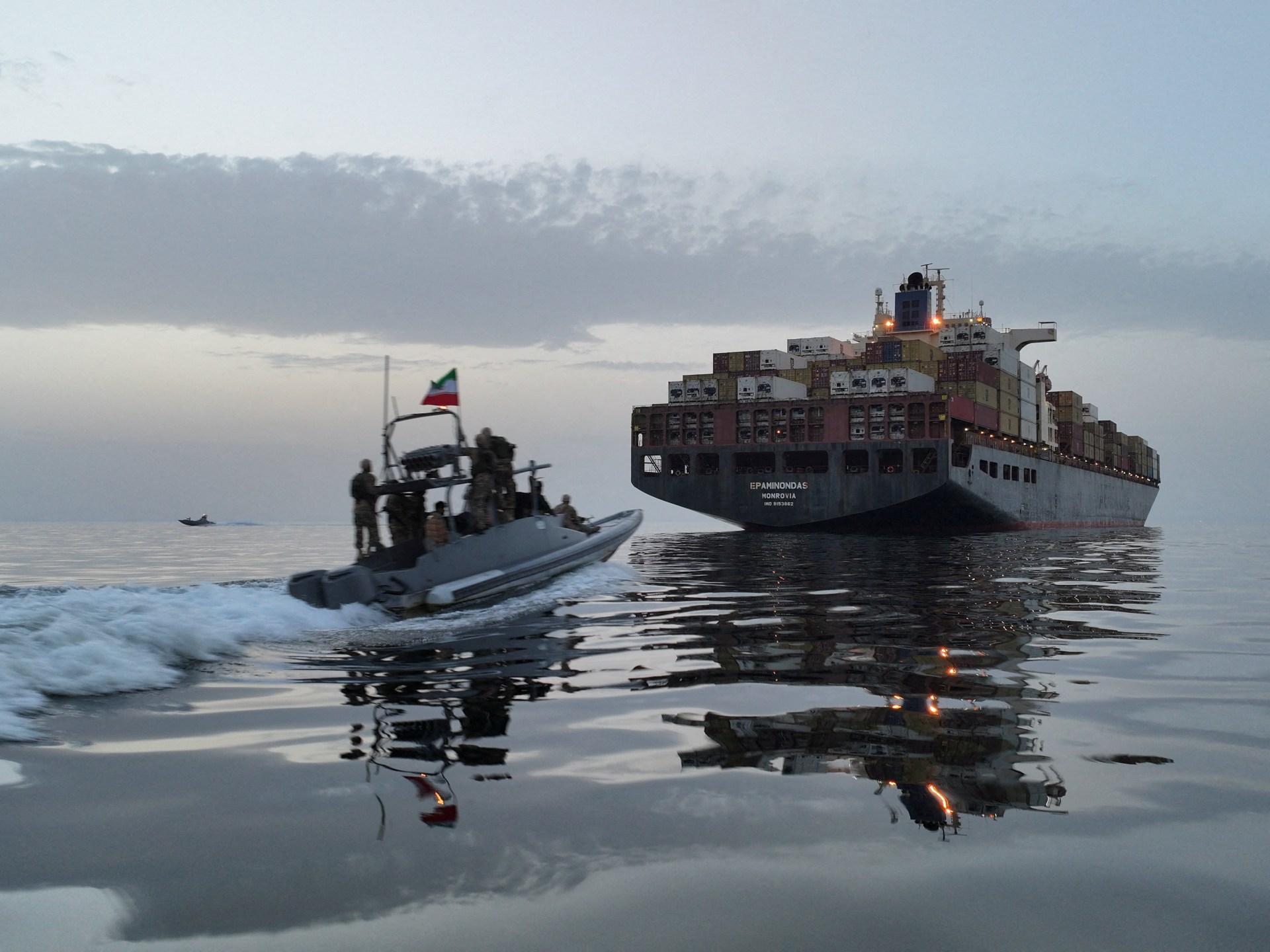
In retaliation for joint US-Israeli strikes on Iran in late February, Iranian forces have effectively taken control of the strait by attacking – or just threatening – vessels attempting to cross without Tehran’s permission. The move has triggered a global energy shock, pushing oil and gas prices to multi-year highs.
In response, the US imposed a naval blockade on Iranian ports and shipping on April 13, limiting Tehran’s ability to export oil, import essential goods and maintain foreign-exchange inflows.
On Monday, hours after Washington’s operation was due to begin, Iranian forces said they had fired on US warships. US Central Command denied that any vessels had been hit, but confirmed that Iran launched cruise missiles at US naval assets and US-flagged commercial ships.
US forces said they had destroyed six Iranian small boats, as well as incoming missiles and drones.
Advertisement
Tehran also launched a salvo of 15 missiles – most of them ballistic – towards the UAE on Monday – the first incident after the US-Iran ceasefire came into effect about four weeks ago. All were intercepted, Emirati authorities said, but a fire broke out in Fujairah, home to a key oil terminal.
The facility has been critical during the war, handling about 1.7 million barrels per day – roughly half of the country’s export capacity – as it allows shipments to bypass the Strait of Hormuz via the Gulf of Oman. Three Indian nationals were injured in the incident, which India’s government described as “unacceptable”.
Despite the exchange of fire, Washington said Iran had not breached the ceasefire. US Defense Secretary Pete Hegseth said the operation to protect commercial shipping was temporary and that US forces had not entered Iranian waters or airspace.
“We’re not looking for a fight,” he said, in what some observers described as a less bellicose tone than usual.
During the five weeks of war before a fragile ceasefire was agreed on April 8, the UAE was targeted by at least 2,800 missiles and drones – more than any other Gulf state or Israel.
Related News
US warns shippers against paying Strait of Hormuz tolls, ‘donations’
Trump announces pause on US operation to reopen Strait of Hormuz
Trump vows to maintain Iran blockade, Tehran threaten ‘practical’ action