
Renewed fighting risks ‘humanitarian catastrophe’ in Yemen, aid groups warn
 14 October 2026

The humanitarian groups the International Committee of the Red Cross (ICRC) and the World Food Programme (WFP) have sounded the alarm over the worsening humanitarian situation in Yemen amid ramped-up fighting.
An estimated 800,000 people have been cut off from life-saving food assistance as front lines have rapidly shifted between Saudi-backed forces of the internationally recognised government and the Iran-aligned Houthis, according to the WFP.
“This is the kind of situation that can rapidly spiral into a humanitarian catastrophe,” said El-Khidir Daloum, WFP’s country director in Yemen.
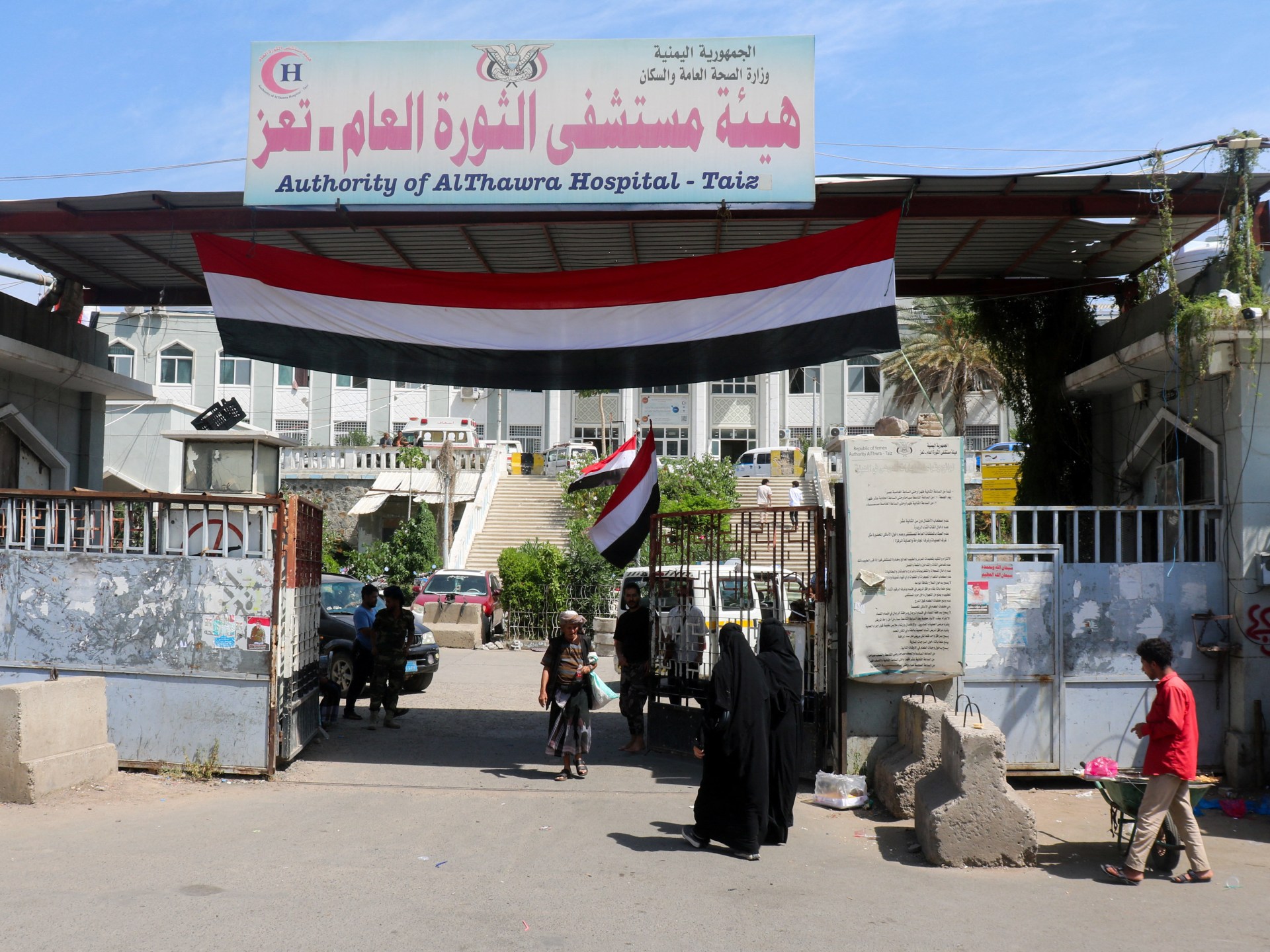
The crisis is worst in Taiz, Yemen’s third-largest city, where an estimated 600,000 people have no access to food assistance, including 200,000 women and children, the United Nations agency said in a statement.
Taiz has been the focus of recent clashes and is hemmed in by Houthi forces, imperiling aid deliveries.
The WFP said that the loss of access is especially alarming given that Taiz has some of the country’s highest levels of food insecurity.
Across Yemen, more than 18 million people do not have enough to eat, it added, while the latest monitoring shows a record 74 percent of households in accessible areas cannot meet their daily food needs.

Meanwhile, “overwhelmed” health facilities in Marib, Taiz and along the Red Sea coast were bearing the brunt of the fighting in those areas, according to a statement released by the ICRC, with some receiving more than 700 cases in a single week,
Advertisement
Firas Abu Samra, the ICRC’s health services coordinator, said only a handful of facilities operating in Yemen can provide comprehensive care for the injured.
Front-line hospitals are taking in large numbers of wounded while running short of surgical supplies, anaesthetics, oxygen and medicines, he said.
“Additional pressure on hospitals can mean fewer beds, fewer supplies and less capacity to treat people with conditions unrelated to the conflict”, said Eduardo Toro, an ICRC surgeon at Marib General Hospital.
Christine Cipolla, the ICRC’s head of delegation in Yemen, said the country’s battered health system is ill-prepared to cope with any more fighting.
“Our concern is that the system may have little capacity left to absorb a major surge in casualties,” she said.
Related News
Photos: Gaza’s children return to class in tents and ruins

Suspected Israeli online operations cause alarm in Iran and Lebanon
From Yanbu to Sohar: Tracking Saudi Arabia’s alternative oil routes