

This content originally appeared on Al Jazeera.

EXPLAINER
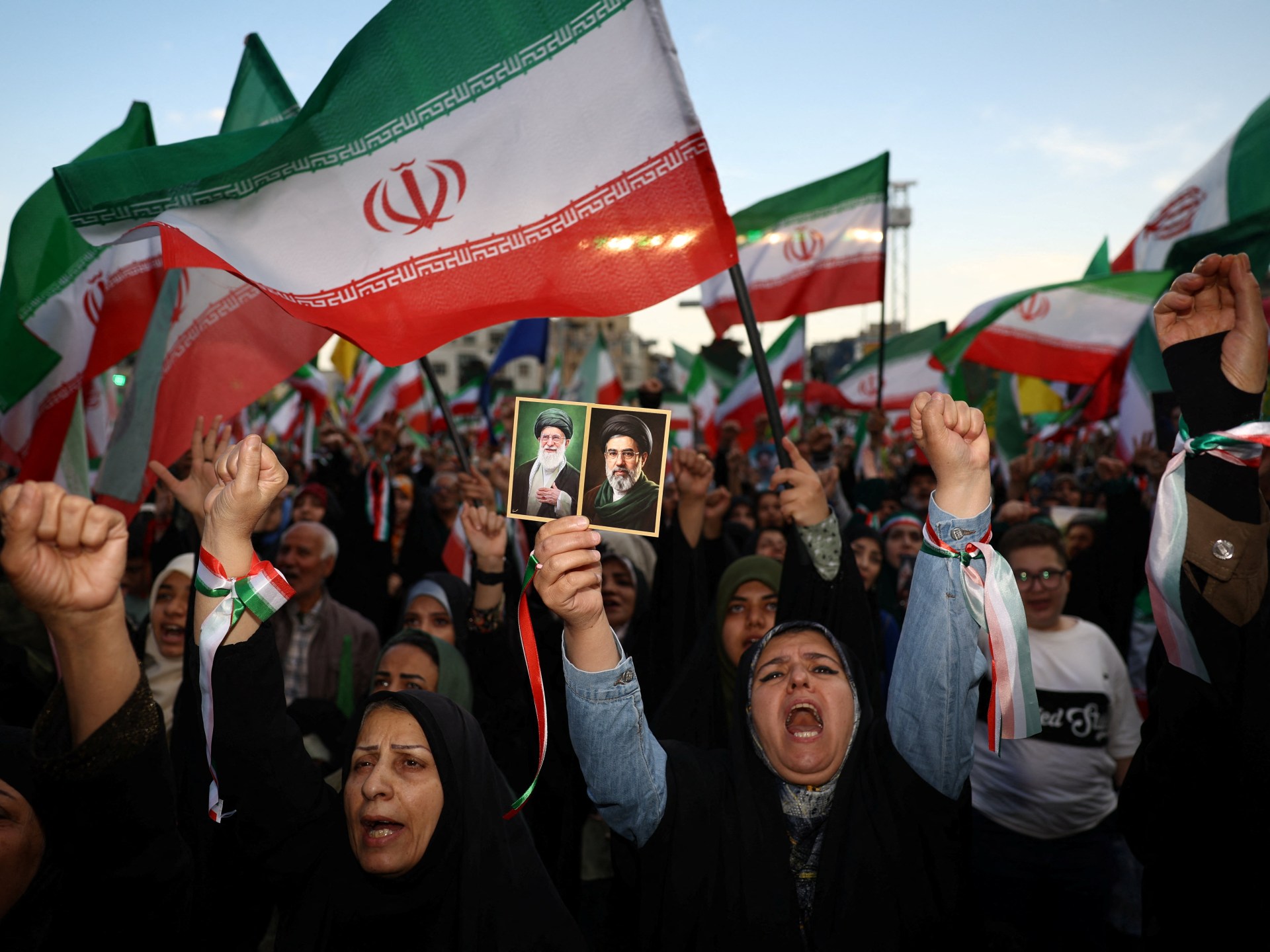
United States President Donald Trump says Washington’s blockade of Iranian ports has been a success, urging Tehran to “just give up” as pressure mounts in a deepening standoff over the Strait of Hormuz.
Iran has pushed back strongly, with Parliament Speaker Mohammad Bagher Ghalibaf dismissing the US campaign as ineffective, while the military says its restraint so far has been “intended to give diplomacy a chance”.
Meanwhile, tensions in the Strait of Hormuz are rippling through global markets, sending oil prices above $120 a barrel and driving US petrol prices to a four-year high.
Here is what we know as the conflict enters day 62:
In Iran
- Iran speaker dismisses blockade’s impact on oil: Parliament Speaker Mohammad Bagher Ghalibaf said no oil wells have “exploded” under the US blockade, arguing the measures have only driven up global prices. He added Iran’s storage has not reached capacity and accused US officials, including Treasury Secretary Scott Bessent, of acting on “junk advice” over the policy.
- Can the blockade force a production halt? The US says cutting off exports will eventually push Iran’s storage to capacity, forcing output to stop, but analysts say remaining storage may cover only about 20 days of output. As Muyu Xu, a senior crude oil analyst at Kpler, notes, any cuts are likely to be gradual, with a higher chance of acceleration into May.
- ‘Inappropriate behaviour’: Top Iranian football officials left World Cup cohosts Canada before the start of the FIFA Congress because of “inappropriate behaviour” by immigration officials at Toronto airport, Iranian media said.
Advertisement
War diplomacy
- Putin-Trump talks: Russian President Vladimir Putin warned his US counterpart Donald Trump not to resume attacks on Iran. In a phone call between the two leaders, Putin said Trump’s decision to extend the ceasefire was “the right one”, Kremlin aide Yury Ushakov told reporters, including from the AFP news agency.
- Sticking points in US-Iran negotiations: The two sides remain divided over Iran’s nuclear programme and uranium stockpile, the US blockade, the release of $20bn in Iranian assets, and Tehran’s demand for $270bn in war reparations.
- Geopolitical ripple effects: OPEC is reportedly in “crisis mode” amid the energy shock and the UAE’s plan to exit the group. Trump is also weighing a reduction of US troops in Germany after tensions with Berlin.
In the Gulf
- Iran condemns Bahrain citizenship revocations: Tehran says Manama violated the rights of 69 people stripped of citizenship for allegedly supporting Iranian attacks. Bahrain’s Ministry of Interior accused them of “colluding with foreign entities”, while Iran’s Ministry of Foreign Affairs called the move “discriminatory” and an attempt to deflect from support for US-Israeli actions.
In the US
- ‘$25bn’ cost of the war so far: US Defense Secretary Pete Hegseth was asked during a fiery exchange in Congress about the cost of 60 days of conflict, and replied that it was estimated at less than $25bn so far.
- Long blockade: Trump has told national security officials to prepare for a long blockade of Iran’s ports to compel Tehran to give up its nuclear programme, according to the Wall Street Journal.
- ‘No more Mr. Nice Guy’: “Iran can’t get their act together. They don’t know how to sign a nonnuclear deal. They better get smart soon!” Trump posted on his Truth Social platform, alongside an illustration of himself holding an assault rifle, with the caption “NO MORE MR. NICE GUY!”
- Economic toll of the blockade: Washington says it has seized nearly $500m in Iranian crypto assets under “Operation Economic Fury” to ramp up pressure. Meanwhile, US Democrats are criticising the war’s $25bn cost, citing higher fuel and food prices for Americans.
In Lebanon and Gaza
- Lebanon ceasefire: Lebanon’s President Joseph Aoun urged Israel to fully implement a ceasefire before beginning direct talks, after Israeli attacks killed more than 20 people in the last two days.
- Gaza crisis deepens: Israeli forces have intercepted a Gaza-bound civilian aid convoy in what a press officer described as a possible “kidnapping on the high seas”, while Palestinians continue to be killed in the Gaza Strip despite a fragile “ceasefire”.
Advertisement
Global economy
- Oil jumps: Global crude prices soared following reports of a possible extended blockade, with Brent jumping above $119 a barrel to its highest level since 2022 and US benchmark WTI above $105.
- Record profits: French fossil fuel giant TotalEnergies said net profit rose 51 percent in the first quarter to $5.8bn, boosted by higher oil prices linked to the war in Iran.
- Asia hit hard by rising oil prices: The Asia Pacific region, heavily reliant on Middle East oil, is feeling the strain as Brent crude nears $120 a barrel. The Asian Development Bank has cut growth forecasts and raised inflation projections, with higher fuel and food prices hitting millions.
Related News

17 April 2026
Iran war’s big winners: Wall Street, weapons firms, AI and green energy
18 April 2026
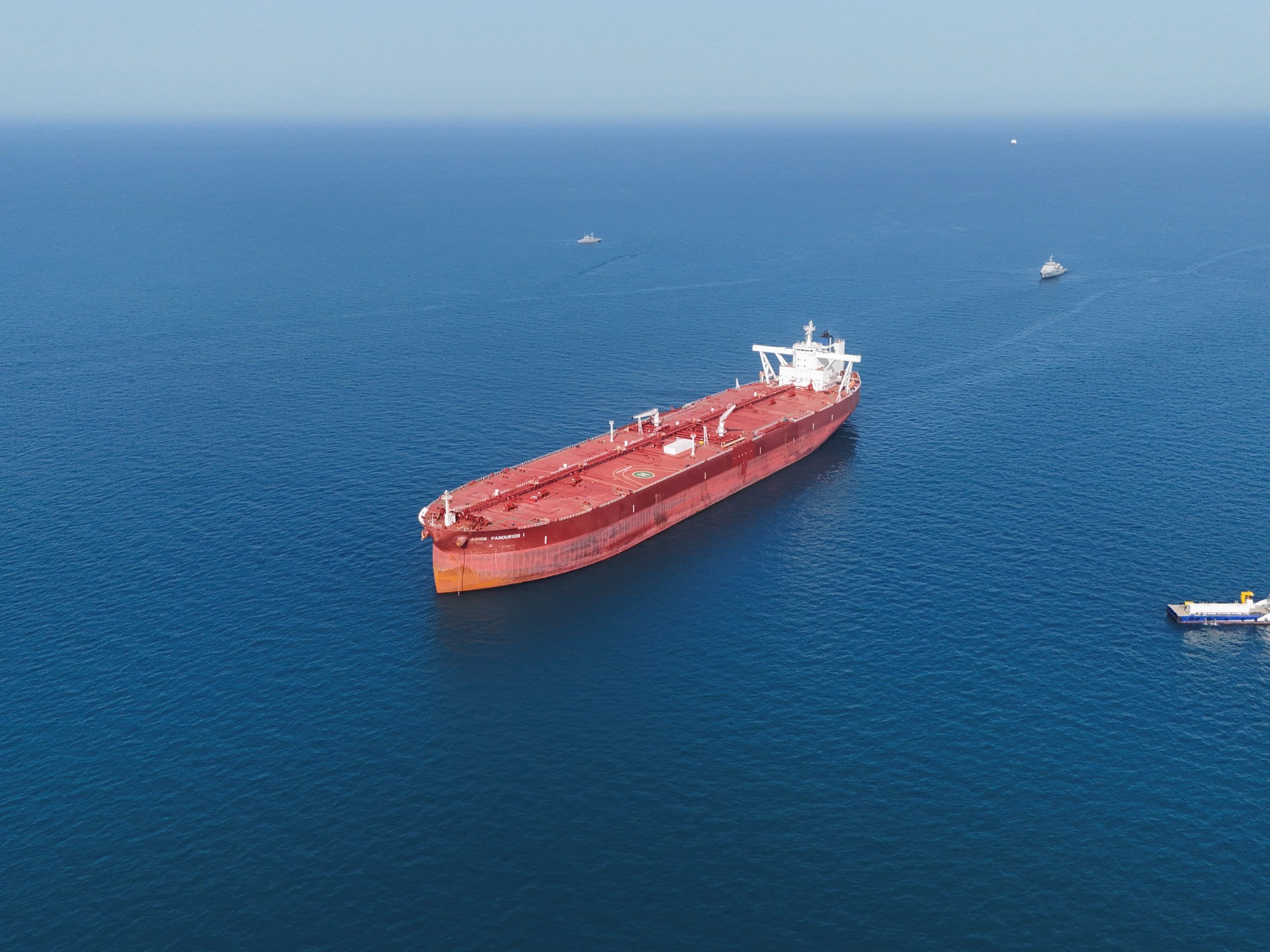
Iran closes Strait of Hormuz again over US blockade of its ports
28 April 2026
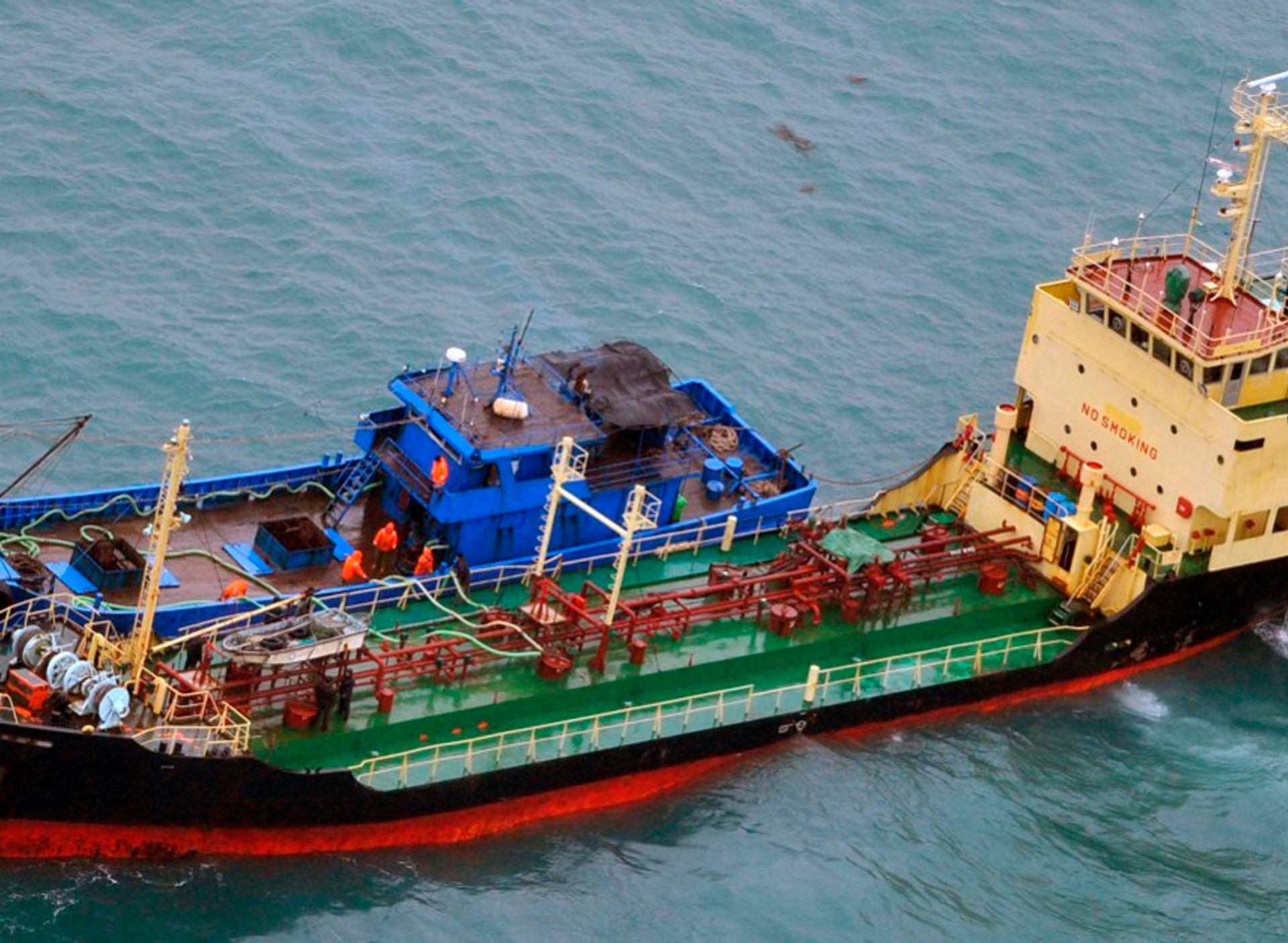
New Zealand spy plane reports possible North Korea sanctions breach at sea
16 April 2026