

This content originally appeared on Al Jazeera.

Iranian officials have pushed back against claims by US President Donald Trump on the state of negotiations, highlighting deep contradictions in messaging as tensions persist around the Strait of Hormuz.
Despite this, Trump has said there are no “sticking points” left for a deal, while insisting the blockade will remain until any agreement is “100 percent complete”.
Iran’s Foreign Minister Abbas Araghchi said the Strait of Hormuz remains fully open to commercial vessels, subject to conditions, in line with the Lebanon ceasefire and previously coordinated maritime routes. Tehran threatens to close the strait if the US blockade of Iranian ports continues.
Here is what we know:
In Iran
- Hormuz fees plan: Iran said it will not impose “traditional” transit fees in the Strait of Hormuz, but is drafting a law to charge ship owners for “securing the strait”, according to security committee spokesman Ebrahim Rezaei. He said vessels would only pass with prior coordination with Iranian authorities, with hostile military ships, particularly from the US and Israel, barred entirely.
War diplomacy
- Lebanon-Israel ‘agreements’: President Joseph Aoun says Lebanon is nearing a “new phase” of lasting deals after the ceasefire and is no longer “an arena for others’ wars”.
- France, UK Hormuz mission: France and Britain will lead a multinational effort to safeguard freedom of navigation in the Strait of Hormuz “as soon as conditions allow,” British Prime Minister Keir Starmer said.
- China visit hinted: Trump says Chinese President Xi Jinping supports the reopening of Hormuz and suggested a “potentially historic” visit to China.
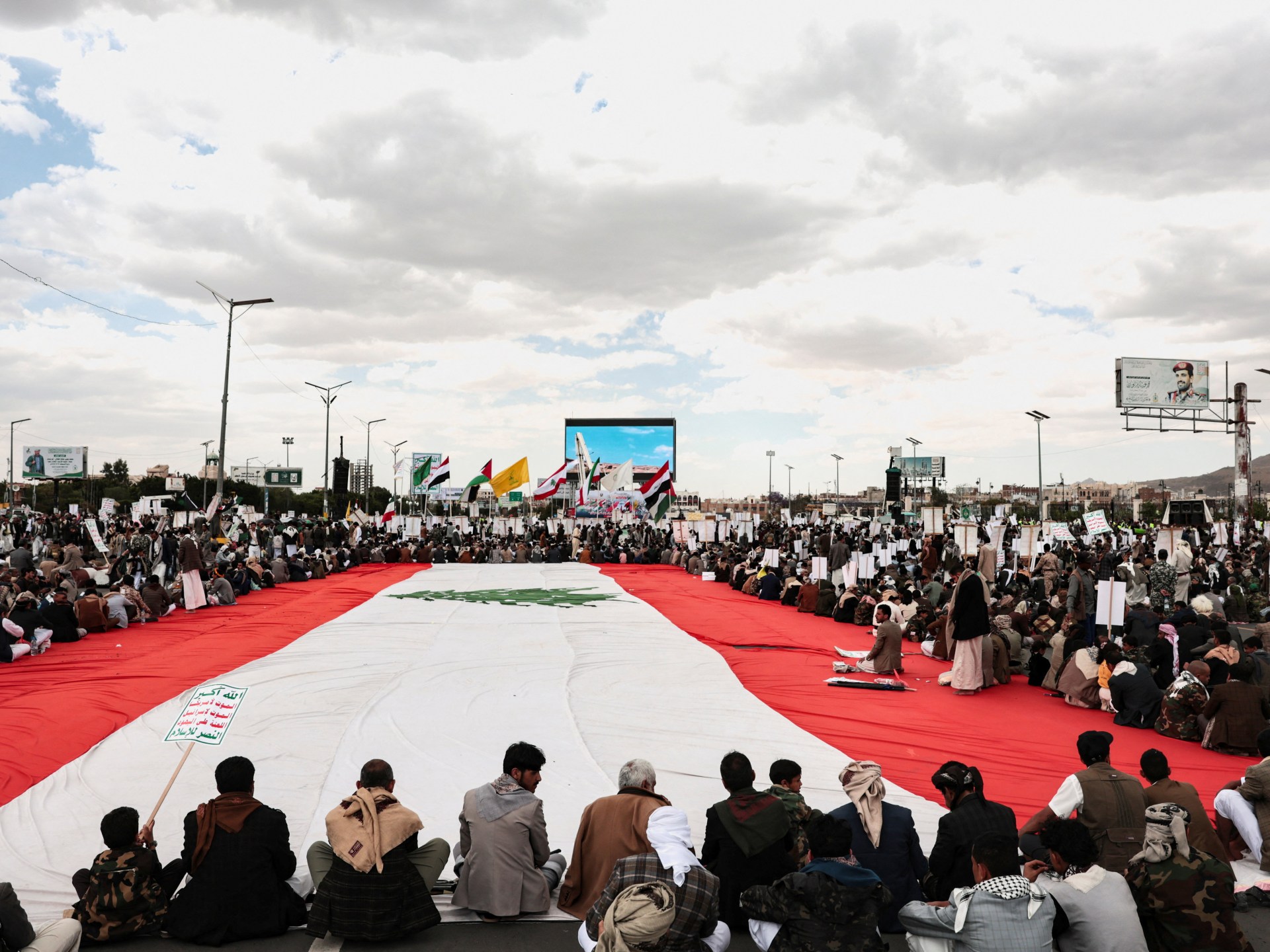
- Houthis rally in Yemen for Lebanon: Supporters in Sanaa showed solidarity with Lebanon. The Iran-aligned and armed Houthi movement, which controls northern Yemen, has warned of joining the war if needed.

In the Gulf
Advertisement
- Fragile recovery: Saudi Finance Minister Mohammed Al-Jadaan welcomes Iran reopening the Strait of Hormuz, but says the situation remains fragile. Some countries can restart production quickly, while others will need more time, depending on damage.
In the US
- US extends Russian oil waiver: The Treasury extended a waiver allowing countries to buy sanctioned Russian oil at sea until May 16. The aim is to stabilise global supply during disruptions from the war.
- Iran port blockade enforced: The US naval blockade remains, with US Central Command (CENTCOM) saying that 21 vessels have complied with orders to turn back from Iranian ports.
- Trump signals pressure on Iran talks: The US president says negotiations are “going very well” but warned that the ceasefire may not be extended without a deal, while claiming Tehran could hand over enriched uranium – Iran denies that.
- Trump rejects NATO role: The US president dismissed an offer from NATO to assist in the Strait of Hormuz, calling the alliance a “paper tiger” and telling it to “stay away”.
In Israel
- Israel ‘prohibited’ from striking Lebanon: Trump says Israel is barred by the US from continuing attacks on Lebanon, declaring “enough is enough”.
- Netanyahu says campaign not over: The Israeli PM warned that the campaign against Hezbollah was not over. “We have not yet finished the job”, adding that a key objective was the “dismantling of Hezbollah”.
In Lebanon
- One killed despite ceasefire: Lebanese state media say one person was killed in the south by an Israeli attack on a motorcycle, despite the start of a 10-day ceasefire.
- Israel killed almost 2,300 in Lebanon: Israeli attacks on Lebanon have killed nearly 2,300 people since March 2, Lebanon’s health ministry said on the first day of the ceasefire in the Israel-Hezbollah war.
- Lebanon war ‘last anti-colonial battle’: Analyst Rami Khouri says the conflict reflects resistance by Iran-aligned groups against decades of Western influence, with southern Lebanon at its core. He argues that Israel’s push for a “security zone” has been halted by Hezbollah and Iran, potentially shifting the conflict from military escalation to negotiations.
Global economy
- Oil prices fall, stocks soar: Wall Street topped records on Friday after Iran announced the reopening of the Strait of Hormuz, which sent oil prices tumbling from a peak of nearly $120 a barrel to $90.38 for Brent Crude.
- Boeing’s war boost: The war has so far boosted Boeing’s defence business and hasn’t affected deliveries to airline customers facing high jet fuel prices, the company’s CEO said.
Advertisement
Related News
13 April 2026
PM-in-waiting Peter Magyar lays out vision for Hungary after ousting Orban

11 April 2026
Artemis II marks historic lunar return with Pacific splashdown success
13 April 2026
At least six killed in Israeli strikes in southern Lebanon
18 April 2026