Iran’s Araghchi arrives in Geneva for second round of nuclear talks with US
 16 February 2026
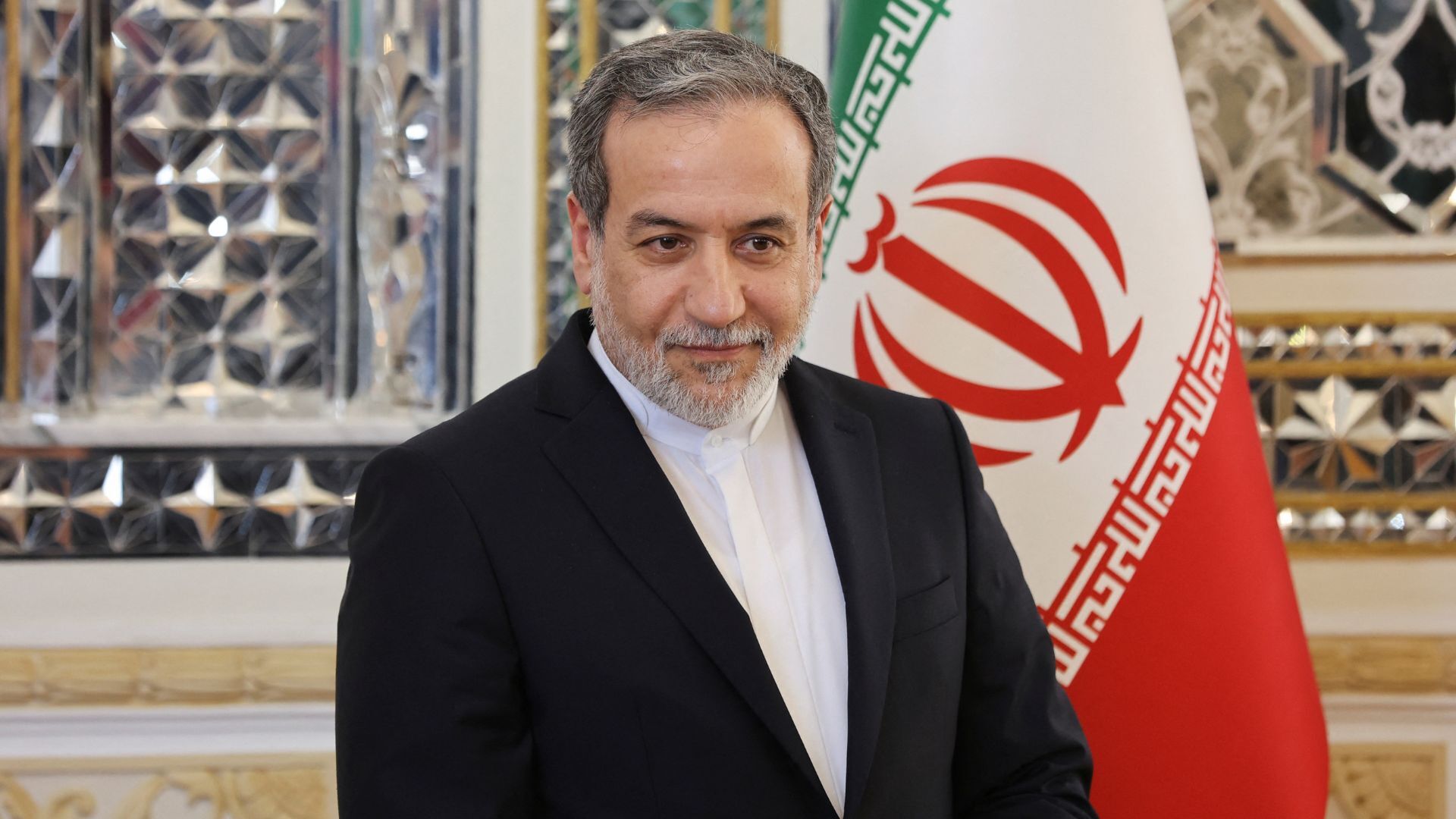

Iranian Foreign Minister Abbas Araghchi has arrived in Geneva for high-stakes second round of nuclear talks with the United States aimed at reducing tensions and avert a new military confrontation that Iran’s Supreme Leader Ayatollah Ali Khamenei has warned could turn into a regional conflict.
“I am in Geneva with real ideas to achieve a fair and equitable deal,” Araghchi wrote on X on Monday. “What is not on the table: submission before threats.”
- list 1 of 4Iran’s Araghchi slams European powers for ‘irrelevance’ in nuclear talks
- list 2 of 4Netanyahu calls for dismantling Iran’s nuclear programme in any US deal
- list 3 of 4Trump and Netanyahu align on Iran pressure but split on endgame
- list 4 of 4Iran seeks to get out of FATF blacklist amid domestic political divisions
end of list
Iran and the US renewed negotiations earlier this month to tackle their decades-long dispute over Tehran’s nuclear programme as US deploys warships, including a second aircraft carrier, to the region as mediators work to prevent a war.
Araghchi said he will be joined by Iranian nuclear experts for a “deep technical discussion” later on Monday with Rafael Grossi, the head of the International Atomic Energy Agency (IAEA).
The United Nations nuclear watchdog has been calling for access to Iran’s main nuclear facilities that were bombed by the US and Israel during the 12-day war in June. Tehran has said there might be a risk of radiation, so an official protocol is required to carry out the unprecedented task of inspecting highly enriched uranium ostensibly buried under the rubble.
Araghchi also said he would meet his Omani counterpart, Badr bin Hamad al-Busaidi, who mediated the first round of talks between Iran and the US since the war earlier this month.
Iran has repeatedly emphasised that it will not agree to Washington’s demand for zero nuclear enrichment, and considers its missile programme a “red line” that cannot be negotiated.
Meanwhile, the US continues to build up its military presence in the region, with President Donald Trump saying a change of power in Iran “would be the best thing that could happen” and sending in a second aircraft carrier.
Trump is again likely to send his special envoy Steve Witkoff and his son-in-law Jared Kushner to represent the White House in the Geneva talks.
Advertisement
The talks also come over a month after Iran’s deadly crackdown against nationwide protests, with Iranian officials claiming “terrorists” and “rioters” armed and funded by the US and Israel were behind the unrest.
The UN and international human rights organisations have blamed Iranian authorities for the widespread use of lethal force against peaceful protesters, which killed thousands, mainly on the nights of January 8 and 9.
In the other diplomatic track pursued in Switzerland on Tuesday, officials will be discussing ways of ending the Ukraine war, which is approaching the end of its fourth year after Russia’s full-scale invasion in 2022.
But no immediate breakthrough appears in sight, with Ukrainian President Volodymyr Zelenskyy telling the annual Munich Security Conference on Saturday that Kyiv has “too often” been asked to make concessions.
Related News
Trump is the ‘elephant in the room’ as the African Union holds new summit
UK decision to ban Palestine Action as ‘terror group’ unlawful, court says
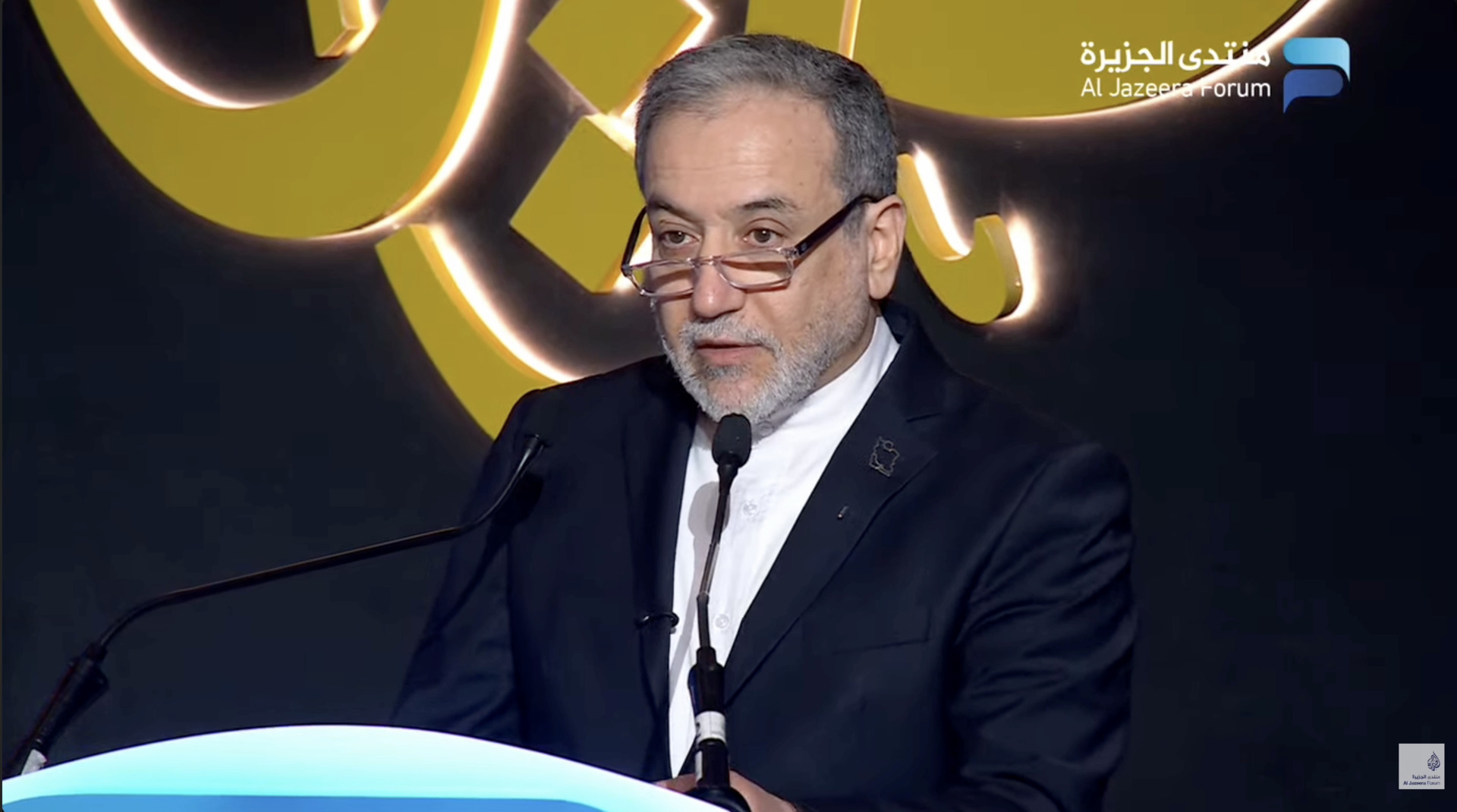
Israel’s Gaza genocide risks global order, leaders warn at Al Jazeera Forum